If a Casting Call Asks You for Money, Walk Away: What Every Indian Actor Must Know
Why You Are Seeing Paid Casting Calls Everywhere
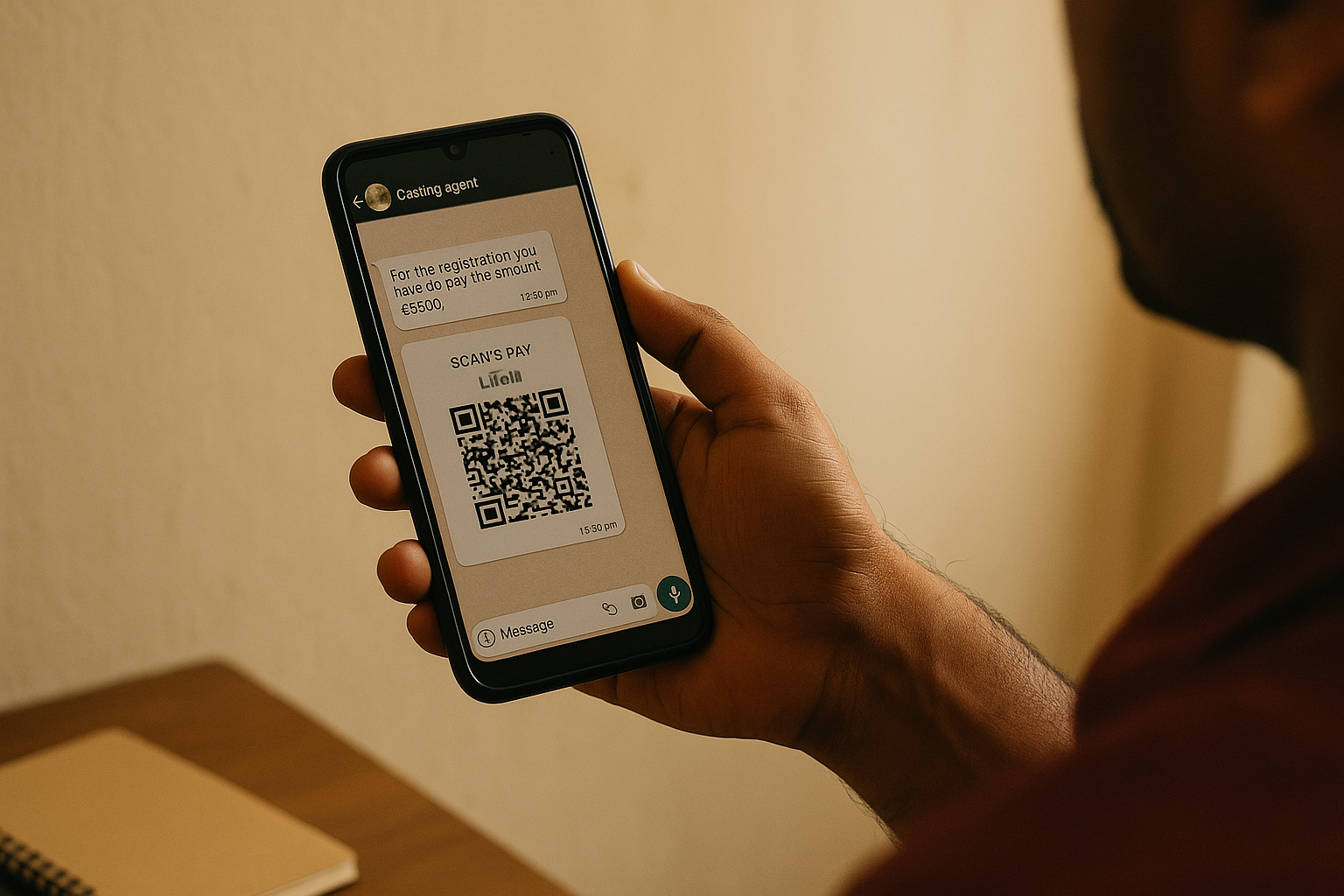
Online casting groups and social media are filled with offers that ask for money up front. The messages might ask for a registration fee, or say you must pay to be considered. Amounts change often, and the same post appears in different places quickly.
Small cities now have regular messages about paid auditions or model sign-ups. No one checks if these calls are real before they go live; sometimes scammers set them up with just a smartphone and a payment link. Many people eager for their first job risk paying too soon, hoping it might open a door.
A common pattern is that these paid casting calls appear most often online, with newcomers targeted because they feel they have no other way in.
Fake casting calls look for people without connections, knowledge, or enough past experience to compare what a job should look like. These operators create ways for you to pay, rather than for you to audition or get work.
How Legitimate Casting Works: Money Flows Toward You
In a real casting at a production house, it looks simple. You arrive to find actors in the waiting area, someone checks your name, scripts sit on a table, and the team introduces themselves. You are not asked for payment at any stage before the audition.
Most legitimate casting directors start contact with a message or call and share project details, tell you about the makers, and explain who they are looking for. You get a time, a location, and possibly a script or a brief before you audition.
There is no fee mentioned for registration, shortlisting, photos, or any “guaranteed booking.” When you are selected, you are paid for the work. Payment covers shoot days, rehearsals, and sometimes travel, if you come from another city.
If money changes hands, it is always coming to you for your work—not in the other direction.
This table helps you see the difference between a real casting process and a fee scam:
| Step | Real Casting | Fee Scam |
|---|---|---|
| Contact | Shares project and maker details | Vague project, no clear team |
| Audition | Free for all performers | Payment required to audition |
| Photos/Portfolio | Your own materials accepted | Forces costly portfolio |
| Shortlist/Booking | Paid work if selected | Fee just to be shortlisted |
| Payment | To you, after work | You pay, no real job |
If a production is interested in you, money always flows toward you.
The Single Rule: Any Casting Call Asking for Money Is a Scam
Ads asking for money to register or pay for “review and shortlisting” appear often. The story is always the same: Pay first, get your shot after.
In each real audition, the talent never pays to be considered. There are no exceptions—no secret rule for first-timers, beauty contests, or so-called talent banks. Anyone demanding payment for “registration,” “shortlisting,” “document processing,” or a “security deposit” is likely running a scam.
Some operators use accounts or websites that appear professional, but that doesn’t make the casting real. They may post photos or run ads, using strangers’ images to seem genuine.
The single rule: Money flows toward talent. Any casting call asking for money is a scam.
Table: Real Casting vs. Scam Casting
| Test | Real Casting (Legit) | Scam Casting (Fee-based) |
|---|---|---|
| Who pays at any stage? | Production pays you | You pay operator |
| Portfolio required? | Use your own, if you have one | Expensive package sold to you |
| Shortlisting/Audition? | No fee, real project details | Fee demanded for next round |
| Money-back promises? | Not mentioned | “Refundable” deposit demanded |
| Social proof/testimonials | Detailed, checkable credits | Glossy, vague, often staged |
Check where the money moves in every casting message. This is a fast way to spot a fake. Most scams do not let you see a real script or contract before payments are demanded.
If someone pushes you by saying “everyone does it” or “this is how you break in,” watch for these common lines:
- “We shortlist only paid applicants—company policy.”
- “Talent banks need a refundable security deposit.”
- “Portfolio shoot by our team is mandatory.”
- “Pay now, or lose this once-in-a-lifetime chance.”
- “Everyone who’s anybody in TV started here.”
These lines try to trick you out of your money. If you know a real working actor, ask them about legitimate jobs. They can confirm: you are paid, not made to pay. If a casting call asks you for money, end the conversation.
What Scammers Say—and What Happens If You Pay
If you contact someone for a casting and are soon pressured to pay, this is a red flag. Most fake castings push with messages promising work but asking for money. They may share a logo, provide a designed form, or send a photo from a film set to build trust. Screenshots are requested as proof of payment.
If you pay, new excuses appear at each step. The first promise turns into a demand for another deposit or an added “security” fee. Each payment only leads to more requests, not closer to a real role.
A sample of scam promises and the actual outcome:
| Scam Fee Type | What They Say | What Really Happens |
|---|---|---|
| Registration fee | “One-time payment required.” | You pay, then more is demanded. |
| Shortlist/selection fee | “Secure your place among finalists.” | Further fees after first payment. |
| Portfolio upsell | “Mandatory shoot with our photographer.” | Overpriced photos, no job follows. |
| Academy upsell | “You must join our course to get listed.” | Course fee, then no real opportunity. |
If you pay once, your contact information might be shared with others running similar scams.
5 Red Flags: How to Spot a Fake Casting Call Instantly
- You are asked to pay money before any real meeting—registration, shortlist, or portfolio.
- The process happens only on WhatsApp or Telegram, never with a known production house address.
- You are offered a guaranteed role or “100% selection” if you pay.
- You are told you must act urgently or risk losing the opportunity.
- The company cannot be found by searching online or does not have a real address.
What to Do If You Are Targeted or Have Paid
If you hear from a scammer or have already sent money, first save all proof before you block or delete anything. Take screenshots of your chats, payment receipts, bank or wallet messages, and note their phone number or email.
Check the latest official channels for reporting: cybercrime.gov.in and the government helpline 1930 are two you can use—verify their current process and language options before calling. Police or authorities may not always return your money, but reporting can help others avoid the same trap.
Tell others in acting groups or your circles if you discover a scam. These crimes rely on silence and embarrassment to spread. By warning friends or groups, you may stop another actor from losing money.
If someone pressures you to pay before you see any real workplace, alert others—this is the rule that protects everyone.
Safe Paths: Getting Seen Without Paying Anything
You do not lose out by refusing to pay fake “casting fees.” Many newcomers choose slower, careful approaches to build skills—without giving money to companies that ask for advance payments.
Real casting calls may appear on official accounts, websites, or company pages, though never with registration or shortlisting charges. Some open calls start online, with an email submission or profile, not with a fee.
Travelling to Mumbai or similar cities lets you try for real auditions, but expenses—travel, meals, basic portfolio shoots—can add up. These are normal costs paid to service providers, not casting or production teams.
Join theatre or local film groups where you live. Student films, college projects, or small agencies often search for new faces, especially on weekends. These offer a step into acting without anyone demanding payment for an audition.
| Safe “Spend” | What It’s For | Money flows to | Should you pay? |
|---|---|---|---|
| Photographer for portfolio | Basic headshots | Service provider | Yes, for photographer |
| Train/Bus fare to audition | Getting to real audition | Railways/Bus operator | Yes, for travel |
| “Registration” fee to anyone | Being considered to audition | Middleman/Scammer | Never |
Use patience, practice often, and develop your skill. Most successful artists worked step by step, not by paying to enter.
Recent Comments